
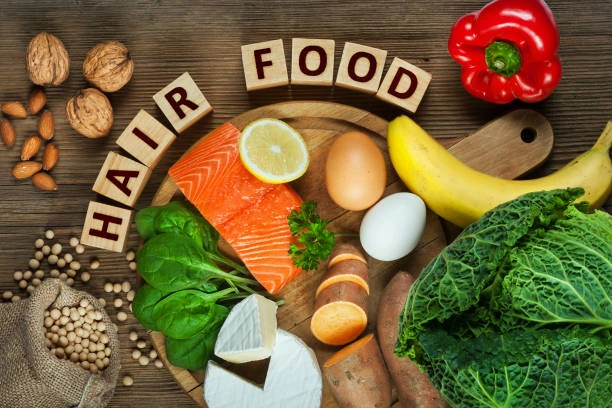

Hair fall is a worry for people of all ages. Losing some hair every day is normal, but excessive shedding can be stressful and may impact on confidence and emotional well-being. Hair loss can be caused by things including stress, hormonal changes, heredity, medical disorders and lifestyle behaviors.
One often-overlooked issue is nutrition. The food you eat provides the building blocks for your body to keep hair follicles healthy and to support the natural hair growth cycle. While diet isn’t a cure-all for every hair loss issue, wise food decisions can make a significant contribution to the health of hair overall.
Key Takeaways
|
Yes, it is. Hair follicles are one of the most active structures in the body and need a continuous supply of nutrients in order to function effectively. Nutritional deficits can occasionally cause more shedding, slower development and weaker hair strands.
That’s why eating for healthy hair development is all about giving enough protein, iron, vitamins and other minerals that support healthy hair production.
A more comprehensive approach to nutrition is better than looking for miracle foods.
Keratin, a protein, is the main component of hair. If you don’t get enough protein, it may impact your body’s capacity to sustain proper hair growth.
Adding protein-rich foods to your regular diet for hair can help your body get the nutrients it needs for tissue repair and maintenance.
Good sources of protein are:
A balanced intake of these foods can contribute to overall health while supporting healthy hair.
People often raise the question – “Which foods promote hair growth”. In reality, many nutrients work together to promote the hair development cycle.
Iron helps transfer oxygen across the body. There is evidence that low levels of iron can be connected with some types of hair loss.
Examples include spinach, lentils, beans, fortified cereals and lean meats.
Good fats are good for the scalp and can make hair look lustrous.
You’ll find them in the diet of fatty fish, walnuts, flaxseeds and chia seeds.
Vitamin C helps in the formation of collagen and also increases iron absorption.
Strawberries, guava, bell peppers, tomatoes and citrus can help enhance your consumption.
Zinc helps in tissue growth and repair.
You can obtain this vital mineral from pumpkin seeds, chickpeas , almonds, dairy products, and whole grains.
When planning hair growth meals, variety is usually more advantageous than focusing on a particular “superfood.”
A nutrient-rich lunch could consist of whole grains, a protein source such as lentils or eggs, vitamin- and mineral-rich vegetables, and healthy fats from nuts or seeds.
Simple combinations such as vegetable dal with brown rice, paneer salad with seeds or grilled fish with sautéed vegetables might help in a more supportive hair growth diet.
Consistency is better than perfection. Occasional indulgences won’t decide hair health all on their own.
Nutritional gaps can be caused by some eating practices.
Examples:
Many healthcare practitioners highlight that persons with substantial hair loss may not fully appreciate the long-term impact of dietary patterns on general health.
These patterns can be good for hair health and for general wellbeing.
While food for hair growth is important, diet is only one part of the picture.
Hair health can also be influenced by:
Because multiple factors can contribute to hair loss, persistent or severe shedding should not be dismissed as purely nutritional.
Hair supplements are all the rage but you don’t necessarily need them.
Supplementation may be beneficial for those with nutritional deficits under professional supervision. But taking large dosages of vitamins or minerals without medical counsel may sometimes be more harmful than beneficial.
Whenever possible, it’s usually best to get your nutrients from a balanced hair growth diet.
Choosing the appropriate meal for hair development is not about one particular ingredient that suddenly stops hair fall. It’s more about adopting healthy eating habits that feed the body the nutrients it needs to support healthy hair follicles.
People may support thicker, healthier-looking hair over time by eating healthy for hair growth, including protein rich food for hair, and prioritizing balanced hair growth meals.
If hair loss persists despite dietary adjustments, a healthcare expert should be consulted to diagnose the root reason and explore possible treatment strategies.
Ans- Some of the best food for hair growth includes eggs, lentils, fatty fish, nuts, seeds, leafy green vegetables, dairy products, and fruits rich in vitamin C. These foods provide nutrients that support normal hair health.
Ans- Eating healthy for hair growth helps supply the body with essential nutrients involved in maintaining healthy hair follicles and supporting the natural hair growth cycle.
Ans- Examples of protein rich food for hair include eggs, fish, chicken, lentils, paneer, Greek yogurt, tofu, soy products, nuts, and seeds. Protein is important because hair is primarily composed of keratin.