

Perimenopause presents changes in hormones which might lead to hot flushes, sleep disturbance, mood swings, and weight inertia. During this period, many women experience slowed metabolism and fat accumulation around the midsection. The right perimenopause diet plan can relieve the symptoms, stabilize blood sugar, and maintain weight. Anti-inflammatory foods, phytoestrogens, nutrient density are some of the areas of focus by experts in the perimenopause diet 2026 to help your body adapt. This manual provides viable foods and an example meal plan for weight loss during perimenopause. Do those tips to be better and feel more energized.
The ideal diet during perimenopause is a Mediterranean based eating pattern that is high in plants and unsaturated fats, low in protein, and rich in whole grains. This perimenopause diet 2026 emphasizes anti inflammatory foods to reduce hot flashes and joint pain. Eat greens such as spinach and kale, which contain magnesium, which can enhance sleep and relaxation. Salmon and other oily fish contain omega 3s that help combat inflammation and have been shown to support mood. Soy (tofu, edamame) and phytoestrogen sources can be used to mimic estrogen, albeit to some degree, and decrease hot flashes.
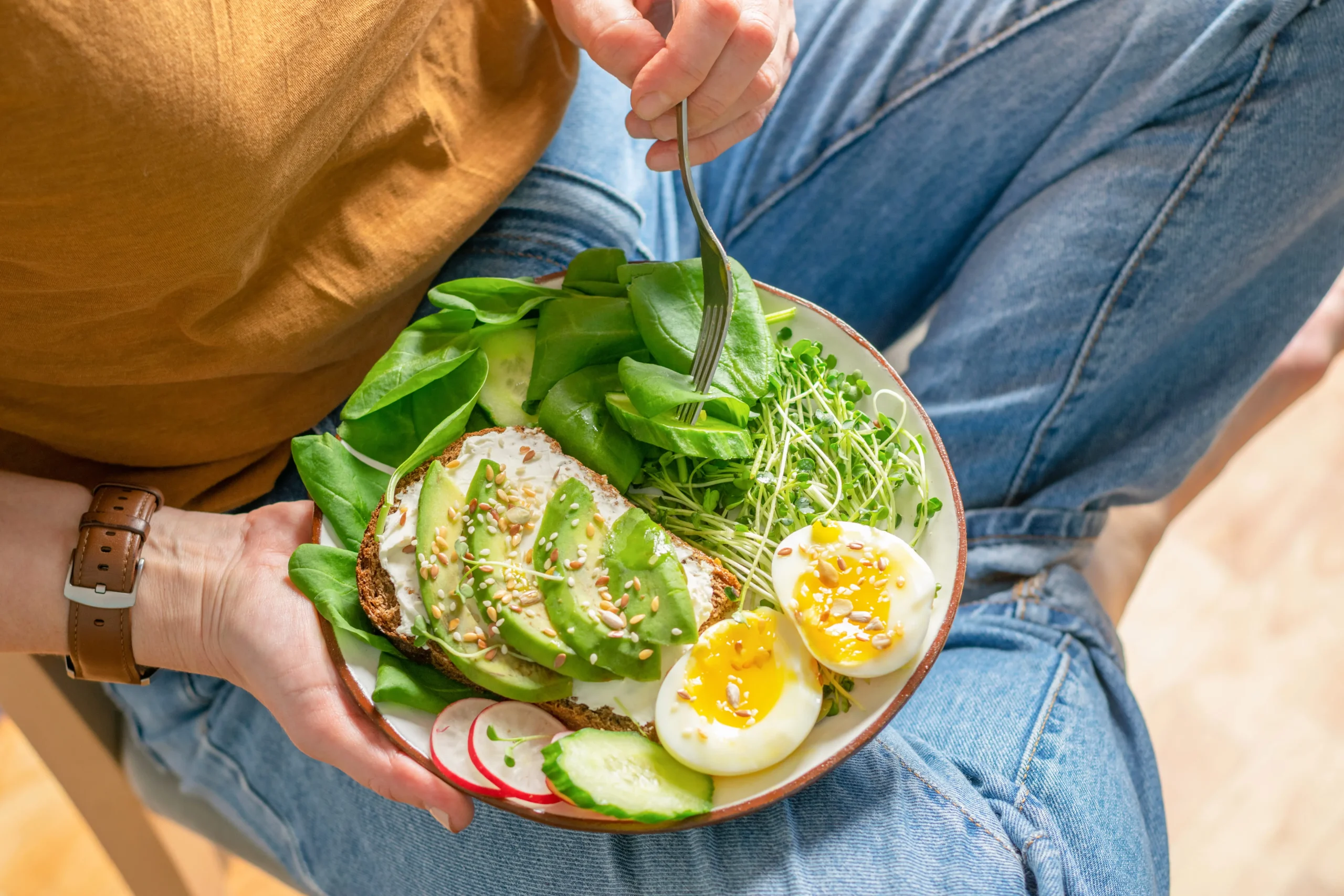
Foods rich in calcium help strengthen bones when estrogen levels are reduced. Keep yogurt, cheese, fortified plant milks, and leafy greens. Foods high in fiber, such as oats, lentils, and berries, keep the stomach full, keep blood sugar levels stable, and help to digest food. Avocados, nuts, and olive oil contain healthy fats, which increase hormone secretion and satiety. Take small, frequent meals to prevent blood sugar spikes that aggravate symptoms. Drink lots of water, 8 10 glasses daily, and drink herbal teas such as chamomile to sleep.
Gaining weight occurs because the loss of estrogen reduces metabolism and makes people more insulin resistant. A meal plan for perimenopausal weight loss focuses on protein and fiber to maintain muscle mass and regulate appetite. Protein, such as eggs or Greek yogurt, should be included in breakfast to start metabolism. Examples of sources of proteins are chicken, fish, tofu, lentils, and nuts the target intake is 25 to 30 grams per meal.
The veggies, fruit, and whole grains provide fiber, which helps keep one from overeating. Consume 25 to 30 grams per day to maintain gut health and stable energy levels. Training twice a week builds muscle, increasing the number of calories burned at rest. Limit processed carbohydrates and sugar levels, which increase insulin and belly fat. Consume small portions of the tracks and eat in moderation to achieve a slight energy deficit without feeling deprived. Sleep 7 to 9 hours a day because lack of sleep increases cortisol and hunger hormones.
This perimenopause diet plan offers balanced meals at about 1,500 to 1,800 calories per day, depending on activity level. Pay attention to wholesome pieces to relieve symptoms and control weight.
It is difficult to lose weight during perimenopause because metabolism slows by 5 to 10 percent, insulin resistance, increases, and muscle loss occurs. Estrogen and progesterone are hormones that influence fat storage and appetite. Stress increases cortisol, which is an ally of belly fat. A structured perimenopause diet plan helps manage this with protein, fiber, and consistent habits.
An organized program, such as the Crunch in 90 Plan, includes accountability tools, recipes, and weight loss tracking for perimenopause. It involves incorporating meal plans with exercise to improve metabolism and minimize symptoms. Although a simple meal plan for perimenopause weight loss is effective, a program provides continuity in busy schedules.
The following guide, based on the 2026 perimenopause diet, will help you manage your health better. A balanced perimenopause diet plan rich in plants, proteins, and healthy fats alleviates symptoms and helps prevent weight gain. Test the plan and make changes accordingly. Never do a major change without consulting a doctor, particularly with drugs. Be regular, as you have the right to be strong while going through this phase.
FAQs
An anti inflammatory Mediterranean style diet rich in fiber, protein, and healthy fats is best.
Focus on protein, fiber, strength training, and smaller meals.
Yes, nutrients like omega 3s and magnesium help reduce symptoms.
Avoid processed food, alcohol, caffeine, spicy foods, and sugar.
Yes, but the right diet and exercise can help manage it.
Yes, programs like the Crunch in 90 Plan can improve consistency and results.