
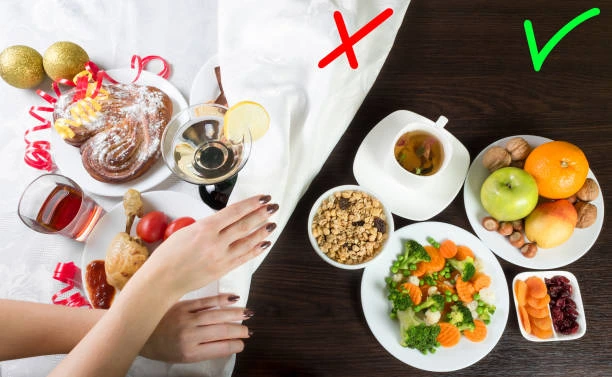

For many couples the route to becoming parents starts with lifestyle modifications to improve general health. While there has been a lot of focus on fertility boosting foods, it’s just as vital to know what foods to avoid when trying to conceive.
The World Health Organization (WHO) estimates that millions of couples worldwide are affected by infertility, and lifestyle variables like nutrition, body weight, smoking and alcohol intake might influence reproductive health outcomes.
If you’re thinking about starting a family, learning about these frequent diet mistakes could assist you on your pregnancy journey.
Key Takeaways
|
There are many factors that affect fertility, including as age, medical history, stress levels, sleep quality, and lifestyle behaviors. Nutrition is part of that whole picture.
Eating a balanced diet supports healthy hormone synthesis, helps maintain a healthy body weight, and supplies nutrients required for reproductive function. Alternatively, poor food choices made over time may lead to inflammation, insulin resistance or nutritional deficiencies that influence fertility outcomes.
This is not a search for perfection. Rather, it involves making well-informed judgments about what to exclude from your diet during pregnancy, with an emphasis on long-term dietary trends.
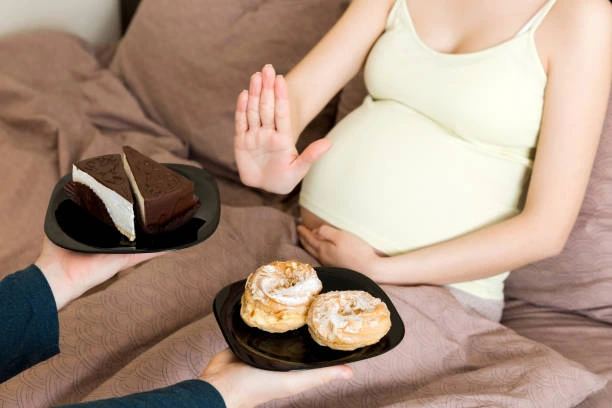
One of the most common dietary mistakes is eating a lot of processed snacks, fried foods, sugary sweets and fast food meals.
Foods to avoid for fertility frequently contain high levels of bad fats, processed carbs, sodium, and added sweets. Regular drinking may cause weight fluctuation and metabolic disturbance that may indirectly damage reproductive health.
Eating plenty of highly processed foods regularly may contribute to insulin resistance, chronic inflammation and undesirable changes in weight, all of which have been linked with lower reproductive health outcomes. The occasional indulgence is unlikely to make a big difference, but a diet based on natural foods may enhance general reproductive health.
Many people start their day with a few cups of tea or coffee and don’t give a thought to how much caffeine they are drinking.
Moderate caffeine consumption is usually regarded acceptable, although there is some concern about high intake, especially for fertility. Couples trying to conceive might want to keep track of their consumption of:
Often, limiting excessive coffee is recommended as part of a broader lifestyle approach to fertility consciousness.
The consumption of alcohol and tobacco, while not technically foods, should be mentioned because of their possible effect on reproductive health.
Too much alcohol drinking or smoking can be bad for men and women. These habits have been related to hormonal imbalances, lower sperm quality and general health issues that could affect conception.
Couples wanting to become pregnant may want to reduce or eliminate certain exposures.
A lot of women question if there are certain things they should avoid eating when they are ovulating.
No foods directly stop ovulation although it would be best to cut out on excessively processed foods, too much sugar and high caffeine drinks during this part of the menstrual cycle. Keeping blood sugar levels healthy and maintaining good overall health can assist reproductive health in a positive way.
It’s particularly crucial to keep your energy levels steady and support your general metabolic health during ovulation. But health specialists are not often telling people to avoid certain foods altogether, but rather to eat them in moderation, including too much sugar, highly processed snacks and huge portions of caffeinated drinks, while emphasizing balanced meals with nutrients.
Women trying to conceive are advised to stay away from papaya in many Indian households.
This recommendation is mostly due to worries about unripe or semi-ripe papaya containing latex chemicals. But the evidence for its influence on conception is weak.
Ripe papaya eaten in moderation as part of a healthy diet is typically considered distinct from unripe types. As each person’s situation is unique, discussing dietary issues with a healthcare professional can help tailor advice.
When discussing foods to avoid when trying to get pregnant, the focus often falls solely on women. But the male reproductive health is also very important in the conception process.
Research has shown that the way men live can affect sperm count, sperm motility and overall sperm quality. For men attempting to conceive, this means limiting excessive alcohol use, avoiding tobacco products, lowering consumption of ultra-processed foods and maintaining a balanced diet that supports general health.
Knowing what foods to avoid if trying to get pregnant can help couples make wise choices in their preparation for parenting. While no single food dictates fertility outcomes, restricting processed foods, high caffeine, bad fats, and other possibly disruptive dietary habits may help promote general reproductive health.
Every couple’s road to conception is different. The focus should be on balance, not perfection, and obtaining professional advice when needed will help build a healthier basis for pregnancy planning.
Ans- It’s generally advisable to limit highly processed foods, excessive caffeine, foods high in trans fats, excessive alcohol consumption, and smoking-related products while trying to conceive.
Ans- Moderate caffeine intake is usually considered acceptable, but excessive consumption may be a concern for some individuals trying to conceive. Discussing personal intake with a healthcare provider may be helpful.
Ans- Current evidence remains mixed regarding dairy intake and fertility. Rather than eliminating dairy unnecessarily, focusing on overall dietary quality and moderation is often recommended.
Ans- Concerns primarily relate to unripe papaya due to its latex content. Ripe papaya consumed in moderation is generally viewed differently, although individuals with concerns should seek personalized medical advice.
Ans- Yes. Male nutrition and lifestyle habits can influence reproductive health. Adopting healthier eating patterns and limiting harmful habits may support fertility for both partners.