
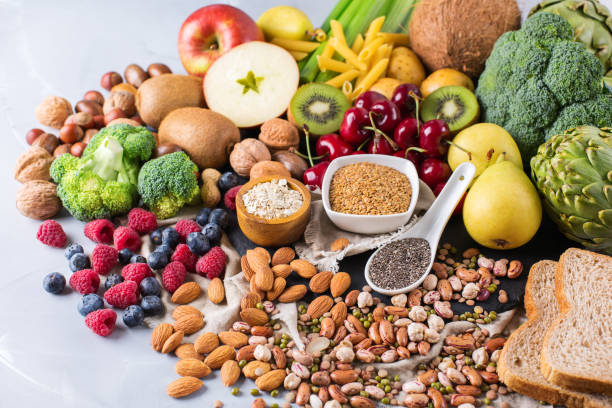

In a world where food trends rise and fall faster than we can keep track, diet diversity has quietly emerged as the real solution for sustainable nutrition. It is an approach that doesn’t force you into extremes but rather encourages you for a colourful, flexible, culturally rooted way of eating that supports both human health and the planet. When I speak to people exploring their eating habits, some inspired by the best dietitian in India, others following advice from famous dietitians in India whom they admire : it becomes clear that the question isn’t “Which diet is perfect?” but rather “How many nourishing foods can I bring into my life consistently?”
Diet diversity is the idea that the more variety you include in your meals like different grains, pulses, vegetables, fruits, spices, fermented foods, seeds, nuts, and proteins, the more micronutrients, fiber, antioxidants, and protective compounds you naturally consume without worring about over complicated rules and products. And the best part is we as Indians already have a eating system in place which is very rich and balanced. A routine which includes a balanced Indian diet: rotis made from wheat one day, millets like ragi or jowar the next; dals ranging from masoor to chana to moong; vegetables that change with the season and traditional accompaniments like curd, pickles, buttermilk, and chutneys that make every meal unique.
This built-in diversity is not only nutritionally superior but also deeply sustainable because it aligns with agricultural cycles, local produce, and cultural food wisdom, something that top nutritionists in India often emphasize in consultations. What makes diet diversity the future of sustainable nutrition is its ability to address modern challenges from multiple angles. On a health level, diverse diets naturally reduce nutrient deficiencies, improve gut microbiome health, support metabolic balance, and even lower long-term disease risk.
On an environmental level, when people rely on a wider range of foods instead of placing excessive demand on a few crops like rice, wheat, or soy, it supports biodiversity, encourages farmers to cultivate indigenous varieties, and reduces ecological vulnerability. What’s beautiful is that our traditional Indian food patterns have always been champions of diversity, but we just drifted away from them in the race toward convenience, packaged foods, and “one-size-fits-all” diet trends of the west.
When the best dietitian in India talks about sustainability and longevity, they’re not referring to exotic ingredients or expensive supplements but rather they’re pointing us back to simple, diverse meals made from whole foods that are locally accessible. For example, instead of relying only on polished rice, adding millets boosts fiber, reduces glycemic load, and supports sustainable farming. Instead of repeating the same sabzi daily, rotating bhindi, lauki, baingan, methi, and seasonal greens provides a broader nutrient intake which along with boosting internal stores also helps the body to cater to seasonal demands.
Even proteins benefit from this approach—paneer and chicken are great, but so are lentils, sprouts, curd, eggs, tofu, and traditional preparations like sattu. Famous dietitians in India just like us often mention that people who incorporate 30–40 different plant-based items weekly have noticeably better gut health and energy levels. Adding small amounts of mixed seeds, different dals, rotating oils, and using a variety of spices, enhances not just taste but overall nourishment. This is exactly why a balanced Indian diet is globally praised for being adaptable, wholesome, and diverse without being restrictive.
One of the biggest myths today is that sustainable nutrition demands major lifestyle shifts. In reality, diet diversity can be incredibly intuitive. You don’t need to follow rigid meal plans or become obsessive about macros, rather simply introducing small variations over time makes a huge difference. Think of swapping wheat rotis for bajra rotis twice a week, adding one new fruit each season, trying an unfamiliar dal every month, or experimenting with local vegetables at the farmer’s market or simply pick up what is seasonal.
We always encourage clients to build a plate that feels vibrant, colorful, and real, not one that’s built on fear of carbs or a fixation on protein powders. Sustainability is not just about the environment; it is also about mental and emotional sustainability. A diet that is diverse is by nature more enjoyable, less monotonous, and easier to stick to over the long term.
It supports mindful eating because the flavors, textures, and aromas constantly evolve, reminding you that food is an experience, not a checklist. Moreover, diet diversity brings in resilience, both for the human body and for the food system. Just like a garden thrives when different plants grow together, the body thrives on a wide array of nutrients working synergistically.
And when communities value multiple crops, they support fewer chemical inputs, better soil health, and stronger local economies. The conversation is shifting rapidly among health experts, with many famous dietitians in India highlighting that the future of nutrition isn’t about extreme diets like keto, paleo, or intermittent fasting dominating the scene but it’s about returning to our roots, embracing regional foods, and valuing ancestral agricultural practices that naturally promote diversity.
Even for people seeking weight loss or disease reversal, this philosophy works beautifully because diverse foods regulate appetite, stabilize blood sugar, and improve satiety. So when someone seeks advice from the us today, they’re likely to hear a blend of modern nutritional science combined with the timeless wisdom of eating seasonal, varied, local food.
Ultimately, diet diversity is not a trend, it is a return to balance. It is the future because it honors personal health, cultural identity, environmental stability, and food security all at once. A balanced Indian diet built on diversity is not only delicious and satisfying but also scientifically aligned with global recommendations for sustainable nutrition.
And the best part? Anyone can adopt it effortlessly, regardless of age, lifestyle, budget, or location. All it takes is curiosity, openness, and a willingness to bring more colors onto your plate. So as we move toward a future where health and sustainability must coexist, embracing diet diversity guided by the insights of top nutritionists in India may be one of the most powerful choices we can make, not just for ourselves but for the planet we share.