
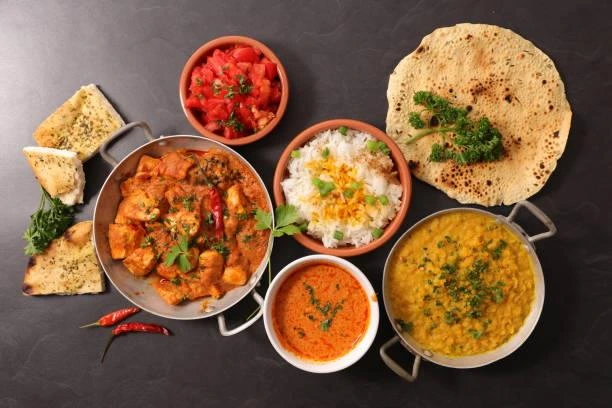

Would you ever consider rich gravies, endless rice and rotis, oily tadkas, and irresistible sweets to be a recipe for fat loss? Probably not. That’s exactly the reaction we see most often. But here’s something we at Health Habitat genuinely believe and see every day in practice Indian food itself is not the problem. In fact, traditional home-cooked Indian meals can be one of the most effective ways to support fat loss when prepared and eaten mindfully. The real issue lies in oversized portions, excessive oil or ghee, refined ingredients, and eating patterns that have slowly shifted toward more Westernised habits. A balanced Indian diet, built around simplicity, seasonal produce, and thoughtful cooking, can help you lose fat without feeling deprived or constantly hungry.
One of the biggest reasons home-cooked Indian food works so well is satiety. Our traditional meals naturally include fiber-rich vegetables, lentils, whole grains, and digestive spices that bring balance to the plate. Unlike crash diets or trending food fads, Indian food keeps you full for longer, which reduces the urge to snack mindlessly throughout the day. This is why many of the best diet plans to lose weight don’t ask you to give up Indian food, they simply ask you to return to its basics. A simple combination of dal, sabzi, roti, curd, and rice, eaten in the right proportions, allows the body to function better while slowly letting go of excess fat.
At Health Habitat, one of the most common concerns we hear is about belly fat. The good news is that an effective diet for belly fat doesn’t require fancy ingredients or extreme calorie cutting. Traditional Indian meals already include foods that help reduce bloating, stabilise blood sugar, and improve gut health all of which play a huge role in stubborn abdominal fat. Cooking at home also gives you full control over oil, salt, and sugar, which significantly affect water retention and inflammation around the midsection. Simply eating home-cooked food more often helps you avoid the hidden calories that quietly add up in restaurant meals.
The foundation of fat loss through Indian food lies in understanding balance. A balanced Indian diet includes carbohydrates, protein, healthy fats, and fiber in every meal. Carbohydrates are often unfairly blamed, but they are not the enemy. Foods like rotis made from whole grains or millet flours, hand-pounded rice, millets, and oats provide sustained energy and help keep hormones stable. What truly matters is portion size and how carbs are paired with protein and vegetables. This combination prevents sharp blood sugar spikes that often lead to fat storage, especially around the belly.
Protein is another area where many Indian diets fall short, and we at Health Habitat see this quite often. Dal, rajma, chole, curd, paneer, tofu, eggs, and fish are excellent protein sources when prepared simply. Adequate protein intake helps preserve muscle mass during weight loss, supports metabolism, and reduces cravings. Many of the best diet plans to lose weight focus on improving protein intake because it keeps you full for longer and reduces unnecessary snacking. Even small changes like adding an extra serving of dal or curd, can make a noticeable difference over time.
Vegetables may not always get the spotlight, but they play a powerful role in fat loss. Traditional Indian sabzis made with seasonal vegetables are naturally low in calories and rich in fiber, vitamins, and minerals. Fiber supports digestion, improves gut health, and helps reduce bloating. This becomes especially important for anyone following a diet for belly fat, as gut health and abdominal fat are closely connected. Light cooking with minimal oil and balanced spices keeps vegetables both nourishing and satisfying.
Healthy fats are often misunderstood as well. Ghee, mustard oil, coconut oil, and groundnut oil are frequently blamed for weight gain, but the problem is excess, not inclusion. In the right amounts, these fats improve satiety, support hormonal balance, and help absorb essential nutrients. Completely cutting out fats can actually slow metabolism and increase hunger. A balanced Indian diet uses fats mindfully, not fearfully.
One of the biggest advantages of home-cooked Indian food is routine. Eating similar meals at regular times helps regulate digestion and hunger cues. When your body knows what to expect, it becomes more efficient at using food for energy rather than storing it as fat. This is why a simple meal plan to lose weight often works better than complicated or highly restrictive diets. Familiar meals reduce decision fatigue and make healthy eating feel effortless rather than forced.
Meal timing also matters more than we often realise. Traditional Indian households followed structured meal times, but modern lifestyles have disrupted this rhythm. Skipping meals, eating very late at night, or grazing constantly can slow fat loss. A simple meal plan to lose weight focuses on regular meals—nourishing breakfasts, balanced lunches, and lighter, earlier dinners. This supports digestion and reduces late-night fat storage.
Hydration and spices deserve a special mention. Indian spices like turmeric, cumin, coriander, ginger, garlic, and black pepper support digestion, reduce inflammation, and improve metabolism. These are small but powerful tools in a diet for belly fat. Drinking enough water throughout the day also helps flush toxins and prevents mistaking thirst for hunger, a common reason for overeating.
Another reason we at Health Habitat strongly advocate home-cooked food is emotional satisfaction. Food is deeply tied to comfort, culture, and routine. When meals are enjoyable and familiar, consistency becomes easier. Many Western-style diets fail because they feel restrictive and disconnected from daily life. The best diet plans to lose weight are the ones you can follow long-term, and simple Indian meals fit naturally into that lifestyle.
Portion awareness is equally important. Even healthy foods can slow progress if eaten in excess. Eating slowly, paying attention to hunger cues, and stopping when comfortably full are habits rooted in traditional Indian eating practices. Mindful eating supports digestion and makes a balanced Indian diet far more effective.
At the end of the day, fat loss comes down to consistency, not perfection. Home-cooked Indian meals make consistency achievable because they are accessible, affordable, and adaptable. You don’t need extreme rules or expensive supplements—just awareness, balance, and patience.
In the long run, fat loss supported by home-cooked Indian food is healthier and far more sustainable than extreme dieting. Energy levels stay stable, digestion improves, and your relationship with food becomes more positive. A diet for belly fat based on traditional meals also helps manage stress, which is often overlooked. Stress hormones like cortisol are closely linked to abdominal fat, and nourishing meals help keep them in check.
The beauty of Indian cuisine lies in its diversity. Whether vegetarian or non-vegetarian, young or older, there is always a way to build a simple meal plan to lose weight using familiar foods. You don’t need to give up rice, roti, or dal—you simply need to respect portions, cooking methods, and balance.
Home-cooked Indian food isn’t just compatible with fat loss—it actively supports it when approached with intention. At Health Habitat, we believe that sustainable weight loss should feel nourishing, realistic, and rooted in your culture. Because sometimes, the healthiest place to start is right at home.